Media, Ethics and Social Change MA (online)
Overview
Explore the ways digital media is transforming the world and learn how to use it meaningfully to address social justice issues.
Taught 100% online, this flexible course offers you the opportunity to study our Media, Ethics and Social Change MA from wherever you are in the world. Designed for professionals striving to progress their career and make a real impact, you’ll graduate with the confidence to lead change and challenge the status quo.
Our Media, Ethics and Social Change MA (online) offers you the opportunity to engage with the ways in which digital media is both transforming the world and is a medium for transformation. It will teach you how to use digital media in a meaningful way to bring about positive change across various sectors.
The course will explore digital media in the context of activism and social justice; how can media practice lead to social change? How can we engage in activism and achieve ethical citizenship through digital media?
You will study the intersection of three key phenomena in modern societies:
- the desire for social change
- the role in digital media in helping change to happen or preventing change from happening
- the underlying ethical principles that guide our interactions with one another, the larger world, and the digital technologies.
Through a combination of theoretical concept analysis and practical application, you’ll be equipped with the skills to challenge a variety of social issues faced by societies around the world. A version of this course is also available to study on campus.
The course is organised around three key areas:
- critical media studies
- journalism studies and practices
- creative media practice (including activist media practice and participatory media).
What our students say
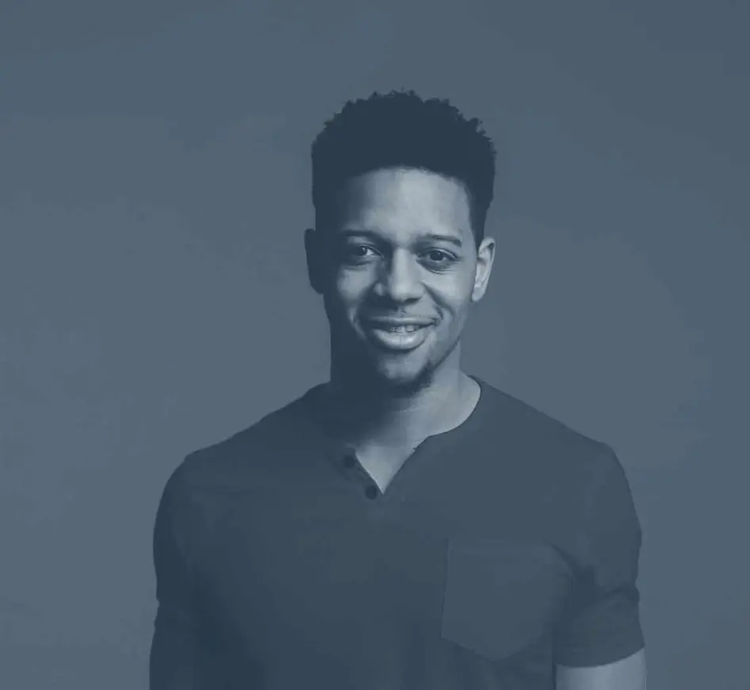
I’m Rhiannon Brace and I’m a Communications Officer.
So, I became really interested in digital media when I went from doing admin to finding more interesting ways to communicate with staff who, some of them were at home and some of them were working in the office still, and making podcasts and films online was a way to communicate in a more engaging way. And then I thought I had this renewed, like, passion for it which made me want to study.
The ethics side of the course was probably one of the reasons why I chose the course because there aren’t that many courses in Digital Media that have that strong ethics side and it wasn’t something that I’d really considered before I saw the course, but it’s actually so useful when you think about the use of media and the effect it has on the people who use it.
The advantage of not having to be at a lecture, and if you can’t make it you can just watch the recording after, is really helpful because you could be on a train journey, you could be at home in bed and just decide that you feel like doing some work, the flexibility of having an app, having a website, having all the materials you need, and it’s just completely accessible, just makes life a lot easier.
Modules
Each module lasts seven weeks and is delivered via Canvas, a state-of-the-art online learning platform, which can be accessed by a computer, tablet or smartphone alike so you can truly study whenever and wherever you like. You can take control of your schedule by fitting the recommended 20 hours study time per week around your existing commitments and lifestyle.
In order to graduate the course, all of the below modules must be successfully completed.
This course is part-time and can be completed in a minimum of two years. You have the opportunity to step on and off the course, pausing your studies if your work or life commitments require, providing you complete the course within four years from enrolment.
The assessments in this course are designed to measure your understanding and progress. Examples of the types of assessments you may encounter include projects, written assignments and practical exercises. The assessment information will be shared with you at the start of each module. It's vital to complete these within each module's teaching period to stay on track. The final assessment is due by 10 AM on the Monday after teaching finishes.
To learn more about each module, please click on the title to read the module description and the types of assessments.
In order to challenge mainstream discourses, activist media seeks to circumvent and dismantle traditional media’s communicative strategies either through a disruptive aesthetic or through a reconfigured mode of civic engagement. You will learn about various forms of cultural resistance, strategies and histories in order to evaluate and plan for an effective form of activist media intervention, to engage in critical thinking detailing the tactics and produce your own academic/activist poster.
Assessments
Report – 500 words
Portfolio – 2,500 words (100%)
This module introduces the ethical debates and practices within digital media industries. You will explore issues such as the abuse of personal data, disinformation and fake news, and copyright and fair use. Upon completion of this module, you’ll be equipped to critically synthesise issues and practices in digital media ethics.
Assessments
Essay – 500 words
Portfolio – 2,500 words (100%)
This module offers a systemic understanding of the field of new media, the dynamics of innovation operating across it, and the role of key technologies driving change. You will produce a small creative digital project to apply the conceptual frameworks learnt on this module, demonstrate your critical analysis and develop your practical skillset.
Assessments
Report – 500 words
Project – 2,500 words (100%)
You will investigate key theories, debates and methods relevant to the study of media industries. The module introduces key thinkers, traditions and scholarship in Media and Cultural Studies and contributing disciplines.
Assessments
Essay – 500 words
Portfolio – 2,500 words (100%)
This module offers students the opportunity to explore digital culture (past and present) through the lenses of gender and sexuality. Drawing upon Feminist and Queer theory as well as the broader critical field of Cultural Studies, the module explores themes of identity and (self) representation, politics and activism, labour and economics, in contemporary digital culture. Through the exploration of such themes, students are offered the opportunity to explore different visions and practices of digital life while also critically reflecting upon their own digital lives. It explores both the personal and political realities of digital culture through a consideration of Feminist and LGBTQ activisms.
Assessments
Essay – 500 words
Portfolio – 2,500 words (100%)
Entry requirements
English language requirements
Fees and funding
Course fee: £13,500
Cost per module: £1,125
Flexibility is at the heart of our online courses: fees can be paid on a module-by-module basis, or as a single fee at the start of the course. You are required to pay the first module fee of £1,125 to secure your place on the course. You may also consider corporate sponsorship and employer funding. Our Admissions Team will be able to assist you with next steps.
Course fees will remain fixed for 24 months from your initial course start date. Thereafter, the course fee will rise at a rate of 2.5% per calendar year (subject to rounding for administration purposes).
20% alumni discount
If you have previously graduated from a Bachelors, Masters or PhD course at the University of Sussex, you’ll be eligible* for a 20% discount on this online course. Find out more about the alumni discount and eligibility criteria.
*T&Cs apply.
Please visit our Fees and Funding page for more information.
Postgraduate Certificate (PG Cert)
Not ready to commit to a full Masters programme? We also offer the option to earn a Postgraduate Certificate (PG Cert) in Media, Ethics and Social Change. This shorter version of the course still allows you to upskill at a postgraduate level, gain a recognised qualification, and take meaningful steps towards achieving your professional goals.
The PG Cert is made up of the first four modules of the Masters course and provides students with the key foundations and understanding of media ethics. These modules include:
- Activist Media Practice
- Digital Media Ethics
- New Developments in Digital Media
- Media Theory
Students studying the Postgraduate Certificate who would like to progress to the full Masters will be accepted onto the Masters course following successful completion of all four modules*.
Course fees:
PG Cert cost: £4,500
PG Cert module cost: £1,125
Fees can be paid on a module-by-module basis, or as a single fee at the start of the course.
Course duration:
The PG Cert can be completed in a minimum of 8 months or a maximum of 20 months if you choose to take a break from study.
*Providing the University is offering the masters at the time of transfer
Career opportunities
The course has been designed to give you the broad range of skills employers need. Digital marketers and journalists will enhance their knowledge and use of digital platforms to reform the ways they work and bring more ethical practices to their workplace.
You will receive career-related content on our virtual learning environment (VLE) and relevant web pages, as well as tailored one-to-one career consultations and workshops delivered digitally.
With the knowledge and practical skills you’ll gain from this course, you will be well placed to take the next step in your career.
Many of our ambitious alumni are now in managerial positions in the UK and overseas at Bloomberg News, Citibank, the BBC, Yahoo! Japan, Oracle, and Fleet Entertainment Group. As a graduate from the University of Sussex, you will join a global network of alumni who continue to support and enhance each other’s development and careers long after graduating.
Why choose this course?
Delivered by the School of Media, Arts and Humanities this MA brings together a unique cluster of academics who are leading experts in digital media, social activism and justice, journalism, digital culture and technology.
Our research-led teaching means you’ll benefit from the latest research insights. Our academics are actively working on singular research projects while also collaborating with their colleagues and institutions globally in expert research units.
Interdisciplinarity has always been a fundamental component of a Sussex degree. The course provides both theoretical concepts and practical training for the development of media content from an interdisciplinary perspective. This involves analysing perspectives taken from media theory, sociology, journalism studies and ethics and equips you with the tools to understand the impact of media content in many different contexts.
You will produce media content that is driven by a constructive and ethical approach to the challenging social issues faced by societies around the world.
Learn more about our Media, Ethics and Social Change MA (online)
Our school’s rich research and expertise prepare you for a range of possibilities after you complete your degree. We have students working in industry in the UK and around the world in journalism, in filmmaking, in activism, in creative and cultural contexts, both with non-profits as well as with charities and commercial organisations.
Dr Monika Metykova, Senior Lecturer:
I believe that it is important to lead in research not just to follow other researchers’ lead, because that way, we are the ones who are setting the big questions about issues that impact on the media industries.
Dr Tanya Kant, Senior Lecturer:
My most recent projects explore the predictive promises and pitfalls of personalisation apps, such as those used by Google and Facebook. I’ve been analysing how fertility targeting on social media platforms might intersect and reshape how we see gender online.
Dr Marina Dekavalla, Senior Lecturer:
My research is mainly around politics and the news. I have worked on representations of referendums in the media and particularly on television. I have also done research around YouTubers and how YouTubers articulate transparency in their digital videos, in their online accounts.
Dr Monika Metykova, Senior Lecturer:
My most recent research is linked to the impact of the COVID pandemic on news production. I am very interested in news flows, in what from foreign countries gets into the knees in the country where I live in the UK. I am interested whether with the pandemic, we have become more inward looking, preferring news from the UK and from countries that are culturally and politically close to us. Or maybe the alternative happened, and actually our news flows became more open and enriched with stories from other countries that are normally outside of our horizons. I can then translate the findings of my research into what I teach and also into the broader curriculum that we offer here at Sussex.
Rob Sharp, Lecturer:
My research considers the role of participatory creative mediation among those without formal citizenship rights. Students will learn how to apply theory around the idea of participation to practical situations to produce collaborative digital media content.
Dr Marina Dekavalla, Senior Lecturer:
I teach module called public relations. This module focuses both on the theoretical and practical aspects of public relations and as part of the module you’re going to engage with key key debates in understanding PR theory and practice, as well as learning how to design a public relations campaign of your own.
Professor Mary Agnes Krell:
Studying here at Sussex in an online format allows you access to all of our faculty members.
Rob Sharp, Lecturer:
Online distance learning is a flexible way of bringing together a unique community to consider how the media can become more inclusive in its production.
Professor Mary Agnes Krell:
Studying at Sussex will help you to develop, refine and use skills to work across cultures, across parts of the world. And in unique and innovative ways, we look forward to welcoming you.
Interested in this course?
Academics
Dr Yianni Hondros
Course Director
School of Media, Arts and Humanities

Dr Irene Fubara-Manuel
Lecturer in Digital Media Practice
School of Media, Arts and Humanities

Dr Tanya Kant
Lecturer in Media and Cultural Studies
School of Media, Arts and Humanities

Dr Emma Harrison
Lecturer in Digital Practice
School of Media, Arts and Humanities